
4 hr
Female-Guided Kampala City Walking Experience
Discover Uganda's capital on foot with a local woman guide through markets, monuments, and street food
Reserve
Hand-picked by our editors — only the best 5 experiences from 12 reviewed.
Verified partners for every tour, free cancellation where available, and instant confirmation on every booking.
4 hr
Discover Uganda's capital on foot with a local woman guide through markets, monuments, and street food
Reserve
3 hr
Three-hour guided stroll through Uganda's capital, from historic sites to bustling trading hubs
Reserve
4 hr
Discover Uganda's capital on foot with a local expert, exploring markets, monuments, and Africa's largest mosque
ReservePrices from verified partners. Availability updates in real time at checkout. Free cancellation policies apply where shown.
The landmarks, rooms, and views travelers on this tour remember — all visible on a single visit.
Provides a stunning 360-degree view of Kampala's seven hills from the top of the minaret.
They complement each other, yet most visitors find that prioritizing a kampala walking city tours women guided tour offers more profound cultural immersion compared to the broad scope of a general Kampala city walking tours ticket.
| Feature | Top pick Women-Guided Tours | General City Tours |
|---|---|---|
Guide Perspective |
Local female storyteller | Varied tour operators |
Depth of Local Connection |
Deep community narrative | General landmark overview |
Group Dynamics |
Small intimate cohorts | Often larger groups |
Community Impact |
Direct economic empowerment | Standard tourism revenue |
Safety Perception |
High due to local mentorship | Standard urban safety protocols |
| See tickets → |
Verdict: Choose the kampala walking city tours women guided tours for an intimate, socially impactful narrative that provides a deeper lens into the heart of Kampala landmarks.
Choose your ticket, select your date, and reserve in under two minutes. Secure checkout handled by our verified partner.
Instant confirmation by email, with a mobile voucher you can save offline. No printing, no queuing at a collection desk.
Arrive at the entrance, show your voucher on your phone, and walk in. Most tickets include priority or skip-the-line access.
Practical details for your visit straight from our verified partners — hours, access, rules, and how to get there.
Kampala City Centre
Main entrance gates for tour assembly.
Shared yellow taxis provide the most authentic local transit to the city centre.
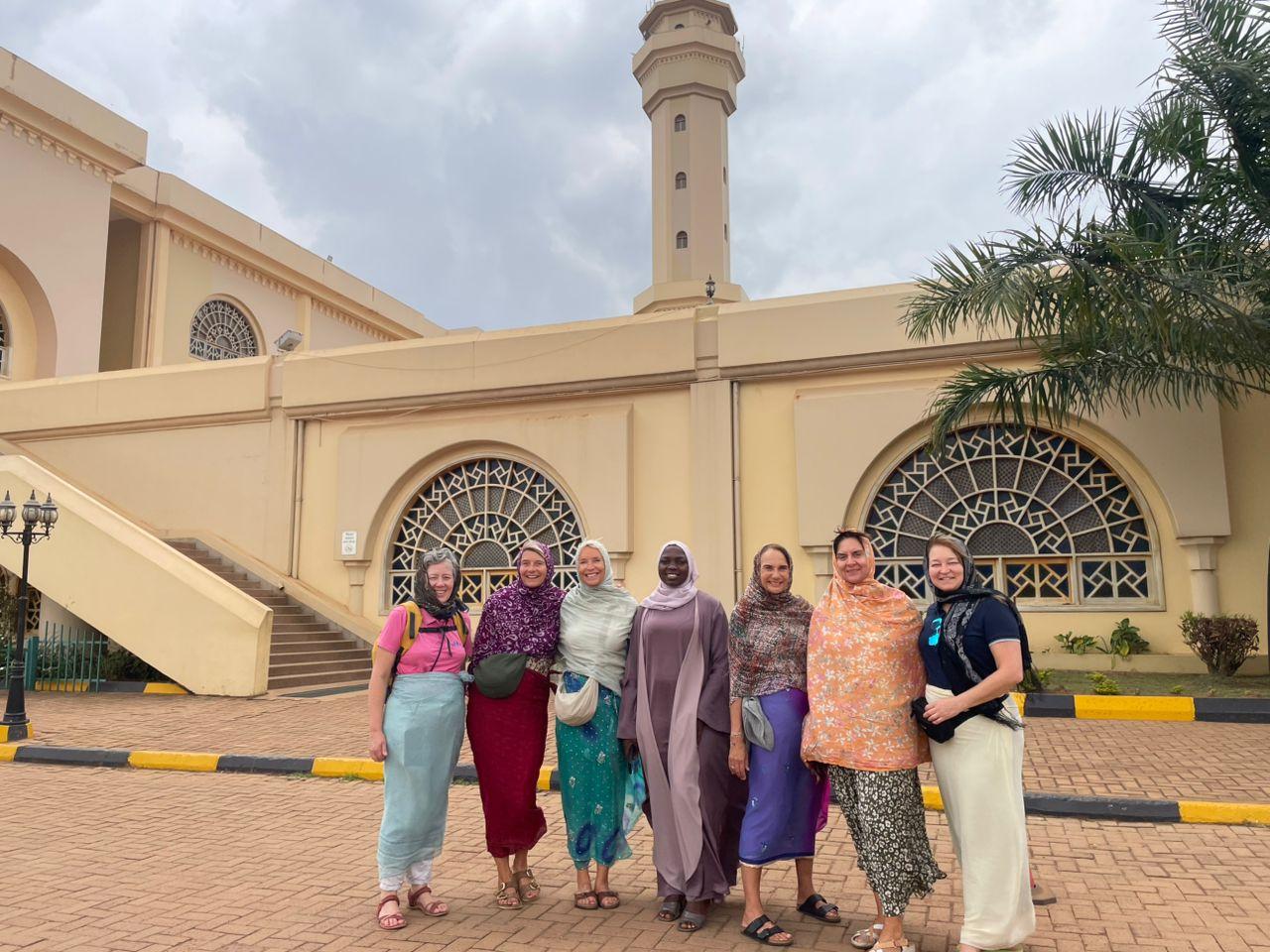
Modest clothing is recommended when visiting religious sites like the Uganda National Mosque. Comfortable walking shoes are essential for navigating Kampala's bustling streets.
Keep your belongings secure and avoid carrying large bags or unnecessary valuables while navigating crowded markets. Your guide will provide local safety insights throughout the experience.
Always ask permission before taking photos of local vendors or individuals in markets. Monuments and public squares generally allow photography.
The tour is designed to be accessible for visitors with various fitness levels. Please reach out in advance if you require specific assistance for wheelchairs or strollers.
Families are welcome on these tours, though children should be able to manage moderate walking. Infants are typically required to sit on an adult's lap during any necessary transit.
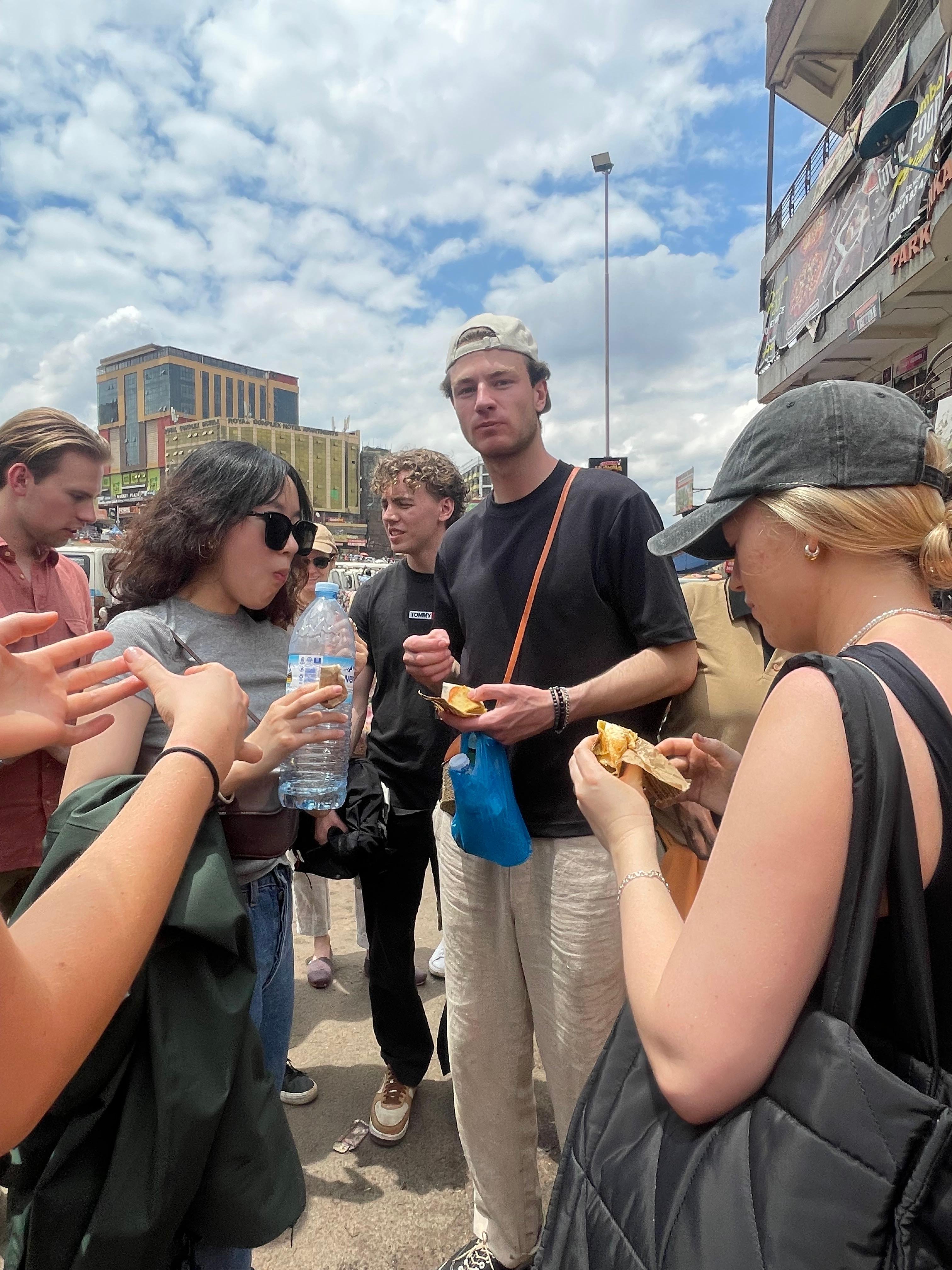
The tour offers opportunities to taste fresh local fruits and traditional street snacks like the famous Rolex. Always carry bottled water to stay hydrated in the tropical climate.
Best time to go, insider tips, nearby landmarks, and the cancellation fine print — flip through to skim what matters to you.
How crowds, weather, and events shift across the year.
Dry and sunny weather, ideal for walking tours without rain interruptions.
Small details that turn a good visit into a great one.
The tours operate on a tip-based system to support your guide; prepare small notes.
Non-bookable sights within a short walk — free to visit, easy to pair.
A key symbol of Uganda's freedom and national pride.
Flexible, no hidden fees.
Free cancellation is available for most bookings. Please confirm specific terms on the product details page as policies may vary.
Hand-picked options within walking distance — pick a district for vibe, or a specific hotel for convenience.
Upscale amenities in a quiet, central location.
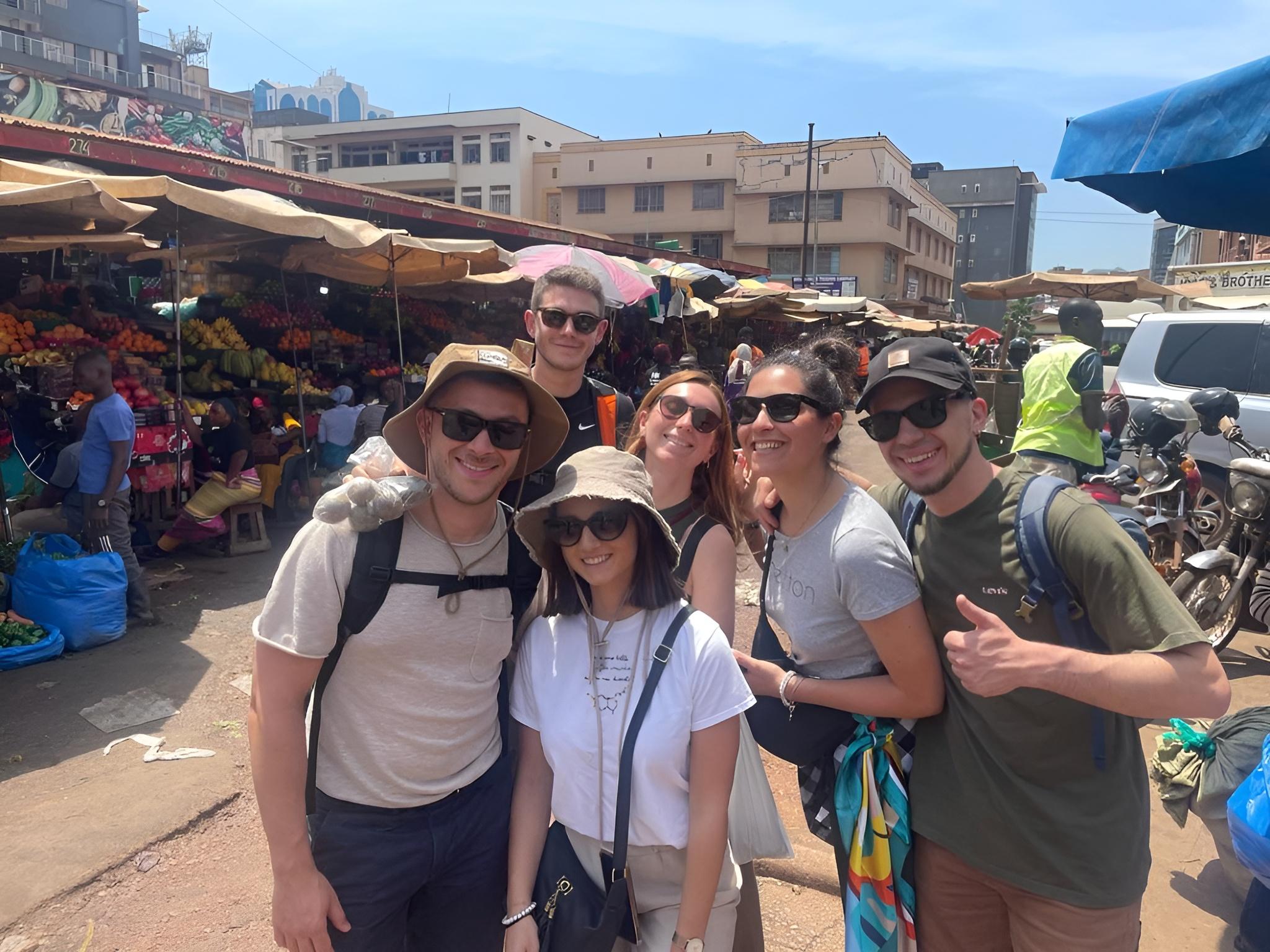
More than seventy percent of informal vendors in Kampala's central markets are women, yet their stories rarely anchor the city's official narratives. Kampala walking city tours women guided emerged over the past decade as local female entrepreneurs recognised a gap in mainstream tourism — the absence of perspectives shaped by daily negotiation of public space, family economies, and civic identity. These guides grew up navigating Owino Market's fabric stalls, attending services at neighbourhood mosques and churches, and watching the city's skyline shift from colonial bungalows to glass towers. Kampala's geography rewards foot traffic. The city centre compresses into roughly two square kilometres bounded by the Old Taxi Park to the north and the Uganda National Museum to the south. Nakasero Market occupies the hilltop district where British administrators once built their residences; today it supplies produce to hotels and households alike. Gadaffi Mosque rises on the site of Fort Lugard, its minaret visible from most downtown vantage points. The Royal Palace at Mengo sits three kilometres west, a living institution that predates the colonial capital by centuries. Female guides contextualise these landmarks not as isolated monuments but as nodes in networks of trade, worship, governance and memory. Women-led walking experiences in Kampala prioritise community insight over scripted chronology. A guide who sells second-hand clothing six days a week brings firsthand knowledge of supply chains, pricing negotiations, and the social codes governing market space. Another who volunteers with a youth literacy programme can explain how informal libraries operate in neighbourhoods underserved by municipal infrastructure. These tours surface the labour that sustains urban life — childcare cooperatives, savings circles, street food economies — and introduce visitors to vendors, artisans and organisers rather than treating public space as backdrop. The model has influenced how Kampala packages its identity. Municipal tourism offices now partner with women's collectives to train guides in safety protocols, first aid, and conflict resolution. Several operators contribute a portion of proceeds to microfinance schemes or skills workshops. The tours operate year-round, beginning at 7am to avoid midday heat and peak traffic congestion, and most conclude by early afternoon. Routes vary by guide expertise — some focus on colonial architecture and independence-era monuments, others on religious pluralism or the informal economy — but all centre the lived experience of Ugandan women as the lens through which the city becomes legible.
"These guides contextualise landmarks not as isolated monuments but as nodes in networks of trade, worship, governance and memory."
A step-by-step walkthrough of the visit — what you'll see, how long each stage takes, and the details that matter.
You meet your guide at the Old Taxi Park entrance as matatu conductors call out routes and vendors arrange morning fruit displays. She leads you uphill toward Nakasero Market, pausing at a chapati stall where she explains how breakfast routines differ across Kampala's ethnic communities. Inside the market you navigate narrow aisles lined with tomato pyramids and cassava bundles while she greets traders by name and translates Luganda banter. The route descends toward the central business district. You pass the Uganda National Mosque, where she recounts the building's controversial Saudi funding in the 1970s and its current role as a civic landmark open to non-Muslim visitors. At a corner café she introduces you to a women's savings group that meets weekly to pool capital for small business loans. The conversation shifts to education access, housing costs, and the informal networks that fill gaps in public services. You finish near the craft market off Buganda Road, where your guide highlights cooperatives that train young women in beadwork and textile printing. She points out the Royal Palace silhouette to the west and explains the Buganda Kingdom's contemporary political influence. Before parting she shares contact details for artisans you met and suggests a lunch spot owned by a former tour participant.
Tours are available daily from 07:00–17:00.
Yes, the tour is suitable for all fitness levels and accessibility needs are accommodated.
It is best to carry a small daypack, but avoid large bags for safety and ease in crowded markets.
Yes, photography is generally allowed, but always ask permission before taking close-up photos of locals.
We recommend arriving between 07:00–10:00 to avoid the midday heat and traffic.
Modest attire is requested for religious sites; otherwise, wear comfortable clothes and shoes.
While you will visit markets and sample local fruits, individual site entrance fees are not included.
The tour is centrally located in Kampala; you can reach the meeting point by local taxi or walking.
Families are welcome, though children should be prepared for moderate walking during the tour.
Check the specific product page for details, as cancellation policies depend on the booked package.
Yes, you can easily combine these tours with nearby landmarks like the Independence Monument.